

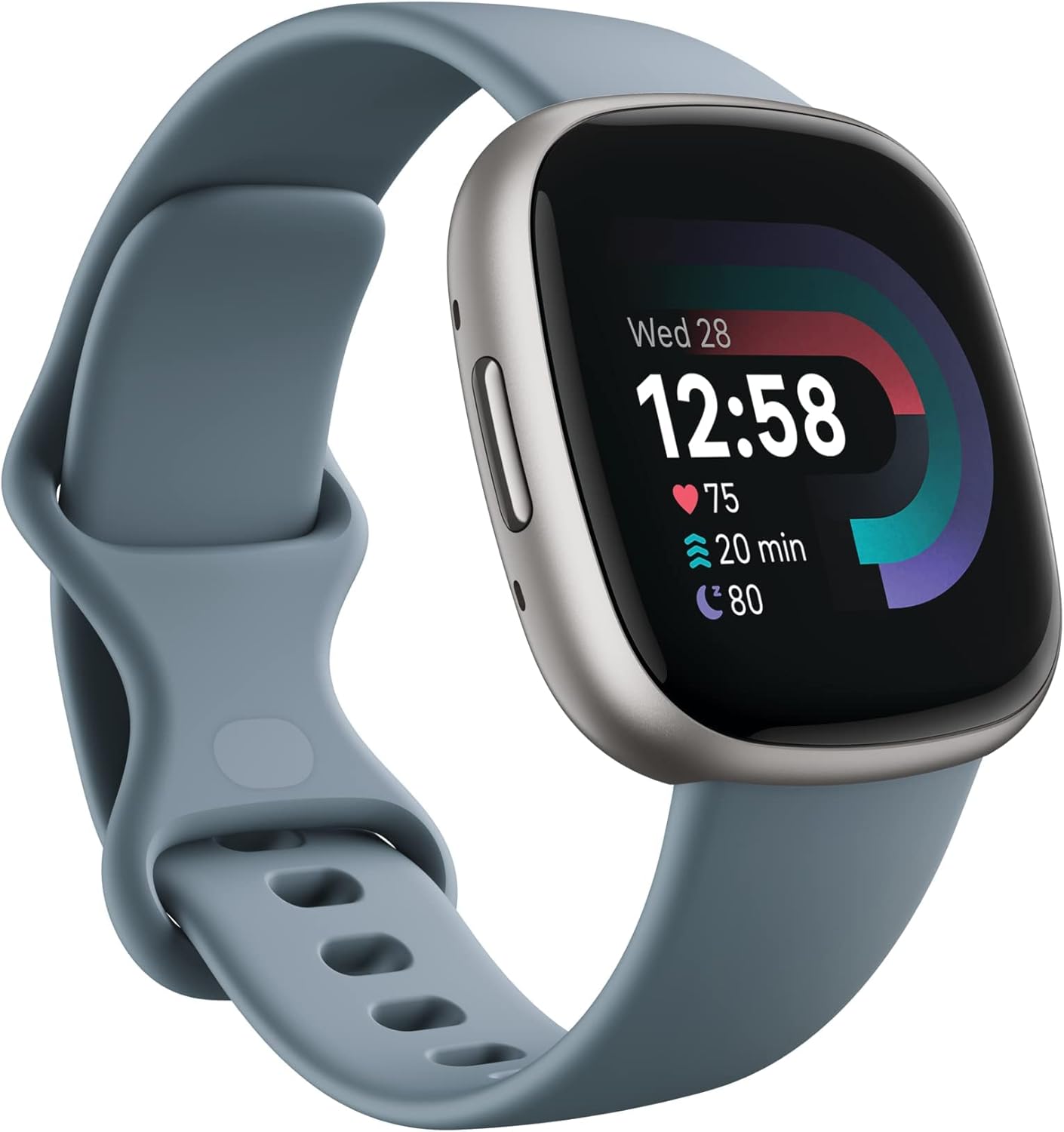


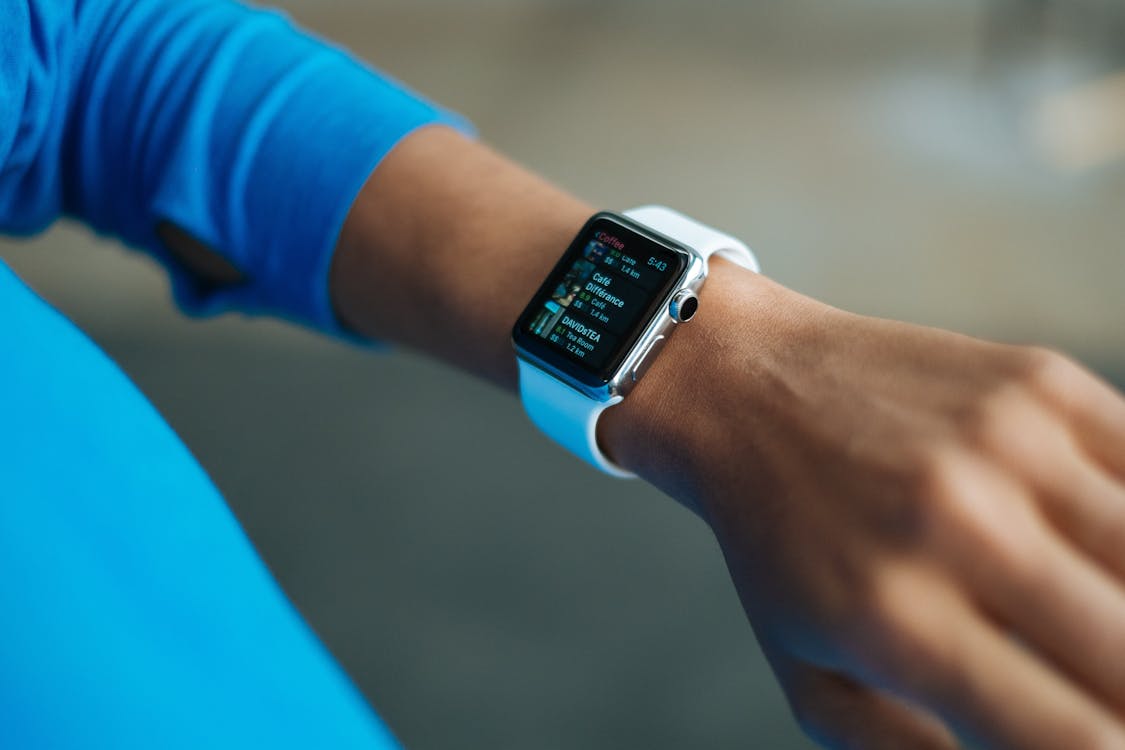
In the world of wearable tech, smartwatches have rapidly moved from being a luxury accessory to an everyday essential. They’re no longer just about checking the time or receiving notifications; today’s smartwatches have evolved into powerful health and fitness tools. From tracking heart rate and sleep patterns to monitoring blood oxygen levels, these devices promise to give users a detailed view of their overall health and well-being. But with all the buzz surrounding them, the question remains: are smartwatches really worth the hype, especially when it comes to health?
The Rise of Health-Focused Smartwatches
The integration of health features in smartwatches began with basic step counters and calorie trackers, but it has quickly expanded into more sophisticated metrics. Companies like Apple, Fitbit, Garmin, and Samsung have made significant strides in developing smartwatches that monitor everything from heart rate and electrocardiograms (ECG) to blood oxygen levels and even stress indicators. As consumers become more health-conscious, the demand for devices that seamlessly integrate into daily life while providing health insights has skyrocketed.
Smartwatches like the Apple Watch, Fitbit Charge, and Garmin Forerunner series now come equipped with features designed to help users track a variety of health metrics. In addition to fitness tracking, many devices offer features like fall detection, menstrual cycle tracking, and even emergency SOS alerts. With such a range of capabilities, it’s easy to see why so many people are looking to these gadgets as tools to improve their health and fitness.
Health Features: What’s Included?

One of the main reasons people flock to smartwatches is the ability to monitor key health metrics in real-time. Here’s a breakdown of some of the most popular features:
1. Heart Rate Monitoring
Heart rate tracking is one of the most common features on modern smartwatches. It can help users track their fitness progress, stay within target heart rate zones during workouts, and even detect irregularities that could indicate health issues. Continuous heart rate monitoring, available on many smartwatches, can alert you if your heart rate becomes too high or too low, which can be vital for those with heart conditions.
2. Sleep Tracking
Getting enough quality sleep is crucial to good health, and smartwatches can provide valuable insights into your sleep patterns. Using sensors to monitor movement and heart rate, smartwatches can break down your sleep into stages (light, deep, REM) and give you a sleep score, helping you understand how well you’re resting each night. This feature can be especially useful for those struggling with sleep disorders or trying to optimize their sleep for better overall health.
3. Blood Oxygen Levels (SpO2)
Many newer smartwatches are equipped with sensors that can measure blood oxygen levels (SpO2). This can be useful in monitoring your respiratory health, especially if you have conditions like asthma or sleep apnea. Low oxygen levels during sleep, for example, could indicate an issue that requires medical attention. Regular SpO2 monitoring can give you a clearer picture of your respiratory health in real-time.
4. ECG (Electrocardiogram)
An ECG is a test that records the electrical activity of the heart. Some smartwatches, including the Apple Watch and Fitbit Sense, now offer this feature, allowing users to perform an ECG test right from their wrist. This can help detect irregular heart rhythms like atrial fibrillation (AFib), which is a potentially serious condition that can lead to stroke. Although an ECG on a smartwatch is not a replacement for a medical-grade device, it can provide valuable early detection and alert users to seek further medical advice.
5. Stress and Mental Health Monitoring
Some smartwatches, like the Fitbit Sense, go beyond physical health by incorporating stress tracking features. Using a combination of heart rate variability, skin temperature, and other sensors, these devices can assess your stress levels and offer calming exercises like deep breathing to help you manage anxiety. While the technology is still evolving, it’s a step in the right direction for those looking to better understand their mental and emotional well-being.
6. Fitness Tracking and Activity Goals
Of course, fitness tracking remains one of the primary reasons people buy smartwatches. Whether you’re running, cycling, swimming, or just walking, smartwatches can track your steps, calories burned, distance traveled, and more. Many devices also come with pre-set activity goals (like hitting 10,000 steps a day), helping to motivate users to move more and stay active.
The Benefits of Smartwatches for Health

There’s no doubt that smartwatches have revolutionized how we approach personal health. Here are some of the key benefits:
1. Convenience and Accessibility
One of the biggest advantages of a smartwatch is convenience. Instead of carrying around a separate fitness tracker, heart rate monitor, or sleep tracker, all of your health data can be consolidated in one device. Plus, you can easily check your health stats on your wrist without needing to pull out your phone or visit a doctor for regular checkups.
2. Early Detection of Health Issues
By continuously tracking various health metrics, smartwatches can help detect early signs of potential health problems. For example, irregular heart rate readings could indicate heart conditions, and sleep disruptions might be signs of sleep apnea. While smartwatches aren’t a substitute for professional medical care, they can alert you to issues that require attention and encourage you to seek further evaluation.
3. Motivation to Stay Active
Many smartwatches come with goal-setting features, like daily step counts or exercise reminders, that motivate users to stay active. This gamified approach to health can encourage you to get up, move, and prioritize physical activity throughout the day. If you’re struggling with motivation, having a smartwatch to track your progress can be a fun way to stay engaged with your health.
4. Real-Time Monitoring
The ability to track your health in real-time is an essential benefit of smartwatches. Whether you’re running, doing yoga, or taking a brisk walk, your watch can provide instant feedback on your performance. This makes it easier to adjust your workouts and ensure you’re staying within your target zones.
Are They Worth the Hype?
While smartwatches offer a wide range of health-related features, they are not without their limitations. For starters, many of these devices are not always 100% accurate when it comes to medical-grade measurements. For instance, while a smartwatch ECG can detect potential heart issues, it cannot replace a full medical examination. Additionally, the battery life of most smartwatches is limited, often requiring daily charging, which can be a hassle for some users.
Moreover, some people might find the constant data tracking to be overwhelming or unnecessary. If you’re someone who doesn’t enjoy wearing a watch all day or who isn’t interested in detailed health tracking, a smartwatch might not be the best fit for you.
That being said, if you’re someone who values convenience, wants to improve your health, and enjoys tracking your progress, a smartwatch can be an invaluable tool. It’s a small investment for the convenience of having all your health information readily available and a constant reminder to take better care of your body.
Smartwatches for health are certainly living up to the hype in many ways. They provide valuable insights into your overall well-being, help you stay on top of health goals, and offer early warnings of potential issues. However, they are not perfect substitutes for professional medical advice or equipment. Whether they are worth the investment depends largely on your personal health goals and how much you value the convenience and motivation that comes with wearable tech. If you’re looking for a way to take charge of your health, a smartwatch could be the right fit for you, but always remember to consult with a healthcare professional for any serious concerns.